
Hospital Chaplaincy
Hospital chaplains minister to patients, their families, and medical staff. They help them cope with difficult diagnoses, crises of faith, the fear of death, and other spiritual needs in hospital and hospice settings.
Hospital chaplaincy aims to provide patients, their families, and medical staff with spiritual and moral support in difficult life situations connected with illness, suffering, or loss.
Goals of Hospital Chaplaincy
Spiritual support for patients. Providing help to people experiencing pain, fear, or a crisis of faith because of illness.
Support for patients' families. Helping relatives of the sick cope with the stress, despair, or grief that arise during treatment or after the loss of a loved one.
Fostering the emotional well-being of medical staff. Reducing professional burnout among doctors and nurses through spiritual support and moral assistance.
Ensuring access to religious rites. Giving patients the opportunity to take part in prayer, confession, communion, or other sacraments.
Developing interdenominational dialogue. Providing spiritual support to adherents of all religions as well as to those who profess none.
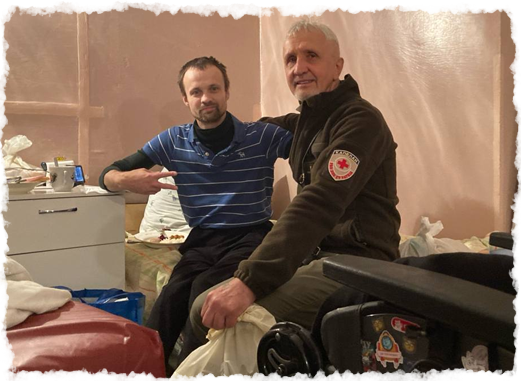
Tasks of Hospital Chaplaincy
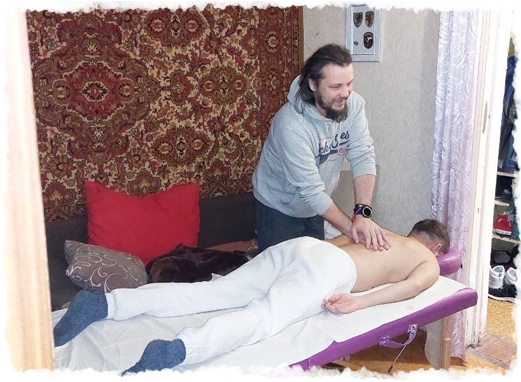
- Conducting regular conversations with patients to identify their spiritual needs.
- Organizing group and individual spiritual counseling for patients' families.
- Cooperating with medical staff to provide comprehensive care to patients.
- Conducting worship services, prayers, and rites (communion, baptism, anointing of the sick, etc.).
- Helping to resolve ethical dilemmas, such as decisions about accepting or refusing treatment.
- Creating a space for quiet and meditation within the hospital.
- Working with crisis situations, such as deaths, difficult diagnoses, or terminal illnesses.
- Organizing training sessions and seminars for medical staff on the role of spirituality in patient care.
Achievement of Goals and Their Results
Improved psychological condition of patients
How it was achieved: Chaplains visited patients regularly, held one-on-one conversations, prayed together with them, or were simply present when that was what was needed.
Result: Patients became calmer and began to believe in the possibility of recovery, or came to accept what could not be changed with inner peace. The number of reports of depression and anxiety decreased.


Support for patients' families
How it was achieved: Group meetings were organized for relatives, where they could express what they were going through, receive advice from the chaplain, and find support in one another.
Result: Relatives feel less alone in their difficulties, cope better with stress, and support patients with greater understanding.
Reduced professional burnout among medical workers
How it was achieved: Chaplains held seminars and individual conversations with doctors and nurses, helping them express their emotions and find meaning in their work.
Result: Medical staff became less vulnerable to stress, while their empathy toward patients and satisfaction with their work increased.


Effective resolution of ethical dilemmas
How it was achieved: Chaplains took part in difficult conversations between patients, their families, and medical workers regarding decisions about discontinuing treatment or turning to palliative care.
Result: Conflict situations have been kept to a minimum, and patients and families make decisions with greater clarity and understanding.
Strengthened interdenominational harmony
How it was achieved: An interdenominational space was created in the hospital where adherents of different faiths could pray or reflect together.
Result: Patients of different religions feel that their needs are taken into account, and the atmosphere in the hospital has become more harmonious.

Hospital chaplaincy is an important component of comprehensive treatment, since it contributes not only to physical but also to spiritual healing, which has a positive effect on the overall condition of patients, families, and medical staff.