

Correctional Chaplaincy
Chaplains in prisons and correctional facilities work with inmates, their families, and staff. Their aim is to help people find spiritual consolation, reform their behavior, and regain hope, regardless of the length of their sentence.
Correctional chaplaincy is aimed at providing spiritual support to inmates, helping them in their moral reform, and assisting their return to society after release. This work helps reduce reoffending, preserve human dignity, and strengthen the moral foundations of society.
Goals of Correctional Chaplaincy
Spiritual support for inmates. Helping them recognize their mistakes and find faith, hope, and spiritual meaning in life.
Fostering moral reform. Instilling in convicted persons the ethical values that will help them change their behavior.
Preserving human dignity. Providing support so that inmates feel human even in the difficult conditions of isolation.
Preparation for reintegration. Helping them restore ties with family and society and plan their life after release.
Psychological support. Helping them overcome the despair, fear, or aggression that can arise in conditions of incarceration.
Support for correctional facility staff. Providing spiritual guidance to personnel in order to prevent professional burnout and improve their interaction with inmates.
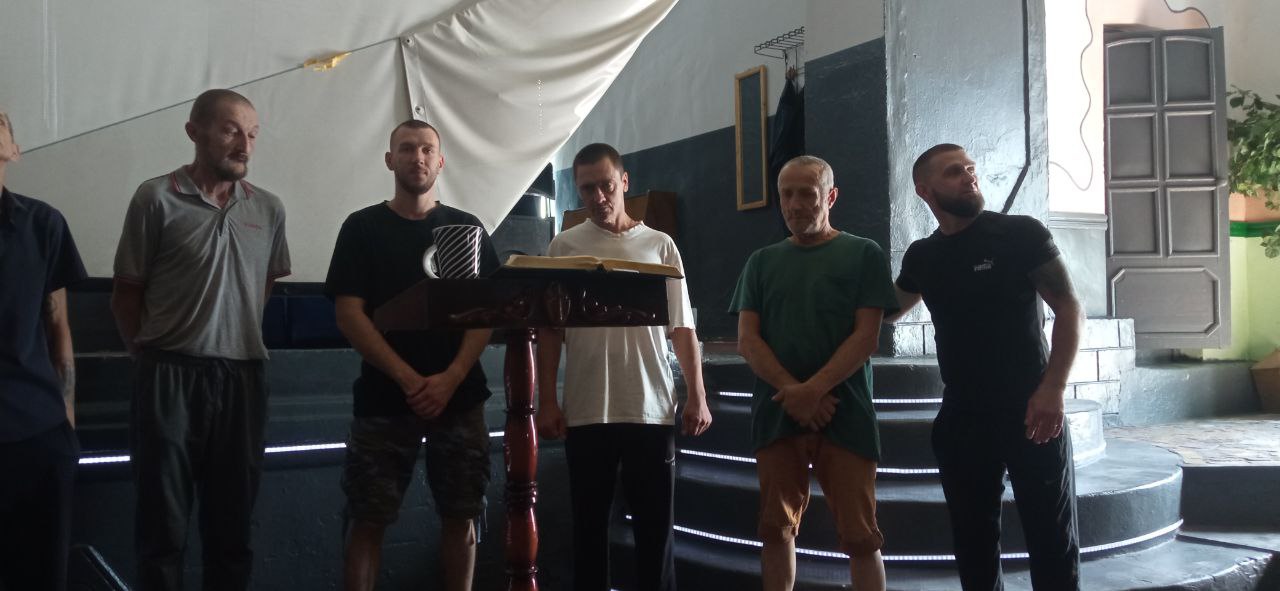
Tasks of Correctional Chaplaincy

- Conducting regular worship services, prayers, and spiritual conversations for inmates.
- Individual counseling for convicted persons who are in a state of crisis or have spiritual needs.
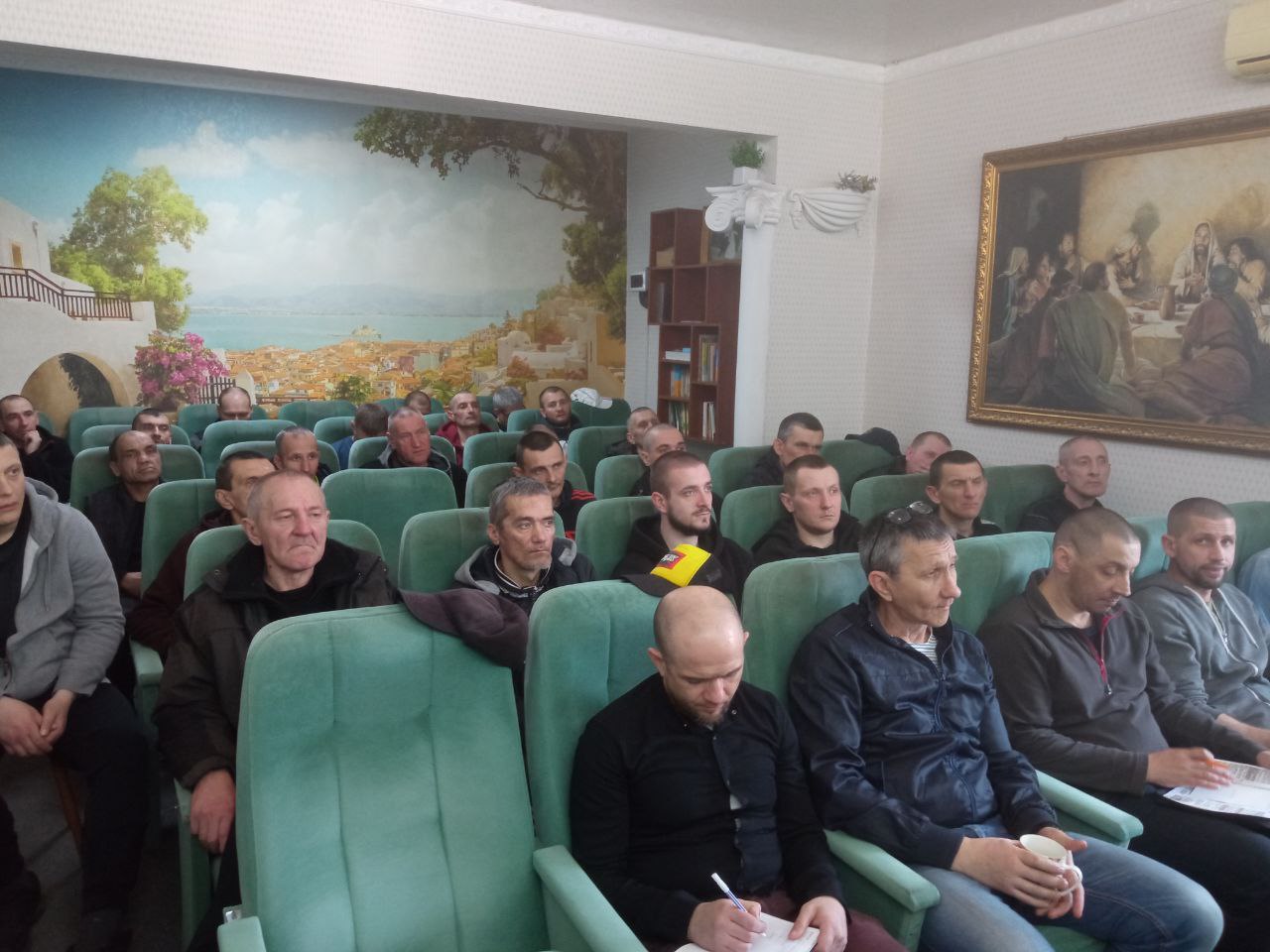
- Organizing educational programs in moral development, ethics, and religion.
- Helping to restore relationships between convicted persons and their families.
- Working with inmates who are being released to prepare them for reintegration into society.
- Conducting training sessions for correctional facility staff on principles of working with inmates based on respect and tolerance.
- Organizing group programs aimed at developing empathy, understanding the consequences of one's actions, and accepting responsibility.
- Coordinating with civil society and religious organizations to provide humanitarian assistance to inmates and support after release.
Achievement of Goals and Their Results
Improved spiritual condition of inmates
How it was achieved: Regular worship services, individual spiritual conversations, and participation in religious rites gave inmates the chance to find meaning in making amends for their mistakes and to change their attitude toward life.
Result: Inmates became calmer, regained confidence in themselves, and began taking part in moral development programs. The level of conflict in correctional facilities decreased.

Restored relationships with families
How it was achieved: Chaplains arranged meetings between convicted persons and their relatives, provided assistance with writing letters, and held family counseling sessions.
Result: Many convicted persons restored contact with their families, which gave them stronger motivation to reform and return to a normal life.
Preparation for reintegration into society
How it was achieved: Convicted persons took part in programs aimed at developing social and work skills and received advice on planning their life after release.
Result: The reoffending rate among reformed convicted persons declined, and most of those released were able to find work or return to a normal life.


Reduced professional burnout among staff
How it was achieved: Chaplains conducted stress management training and provided spiritual support to correctional facility staff.
Result: Interaction between staff and inmates improved, and the level of tension in the facilities declined.
Growth of tolerance and harmony among inmates
How it was achieved: Organizing interdenominational meetings and moral development programs helped reduce conflicts between convicted persons of different backgrounds or religious views.
Result: Inmates began to communicate better with one another, and the atmosphere in correctional facilities became less tense.
Correctional chaplaincy is an important instrument for the spiritual healing and moral reform of inmates, as well as for strengthening the moral climate in correctional facilities. Its work helps create conditions that reduce the risk of reoffending and help convicted persons return to society as full members.