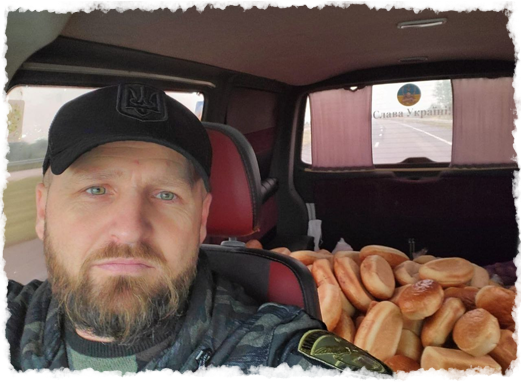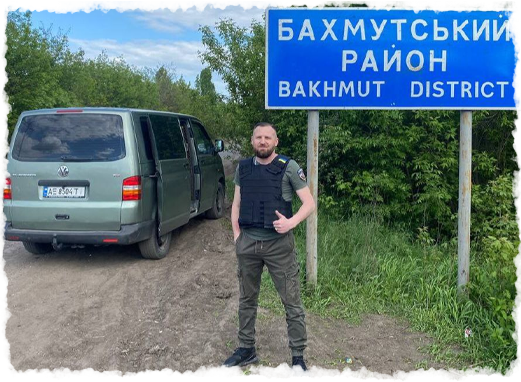
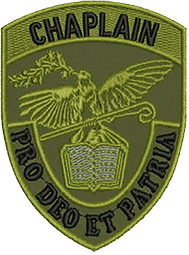
Military Chaplaincy
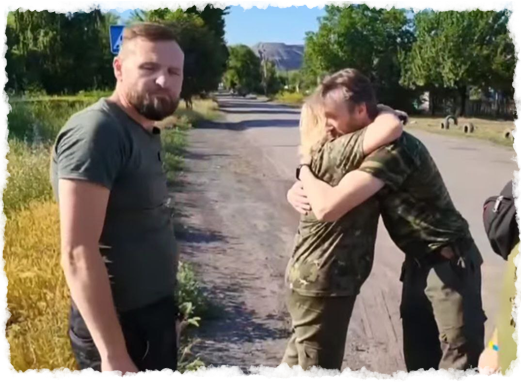
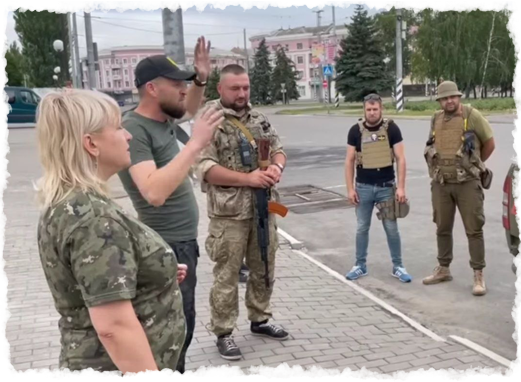
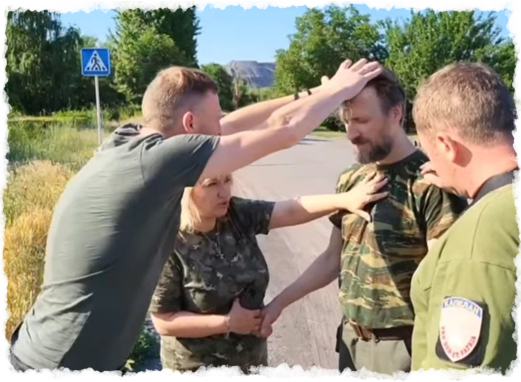
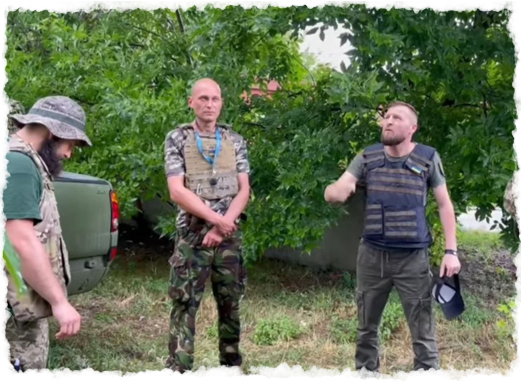
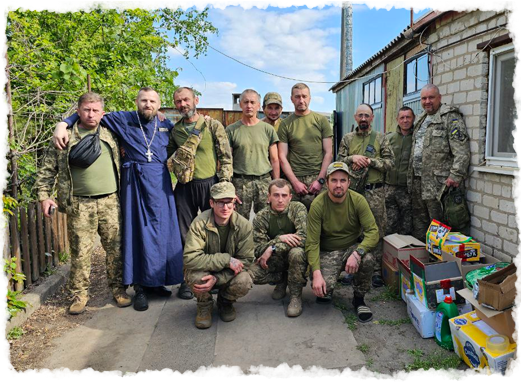
Chaplains in the armed forces provide spiritual support to service members, their families, and veterans. They offer help in crisis situations, conduct religious rites, provide guidance, and give moral support regardless of faith.
Military chaplaincy plays an important role in sustaining the morale of service members and their families, especially during combat operations or crisis situations.
Goals of Military Chaplaincy
Providing spiritual support. Helping service members find peace, hope, and inner balance through prayer, conversation, and religious rites.
Moral support. Sustaining confidence and strength of spirit in difficult circumstances, such as combat operations, losses, or physical and psychological trauma.
Building spiritual resilience. Helping to form strong moral and ethical values that support making the right decisions.
Social integration. Helping service members return to civilian life after service through spiritual guidance and support.
Fostering tolerance. Supporting adherents of different denominations in the military environment and promoting mutual respect and harmony.
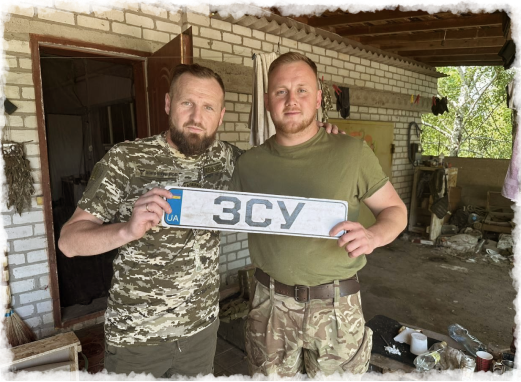
Tasks of Military Chaplaincy
- Conducting worship services, prayers, and sacraments for service members.
- Providing spiritual guidance in combat conditions, stress, and crisis situations.
- Organizing group and individual spiritual counseling.
- Psychological support for service members and their families, especially in cases of the loss of fellow soldiers.
- Teaching the ethics and moral principles necessary for service.
- Support in matters of spiritual choice or a crisis of faith.
- Conducting worship services, prayers, and sacraments for service members.
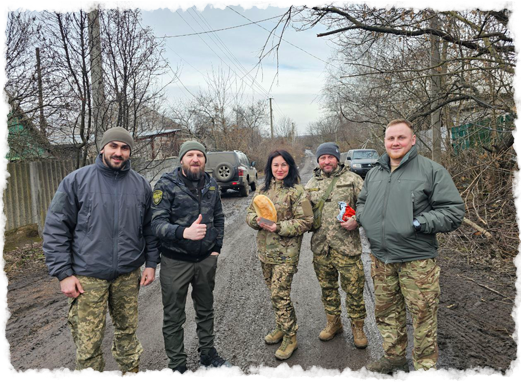
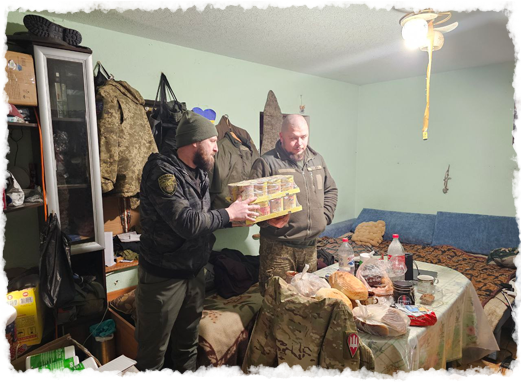
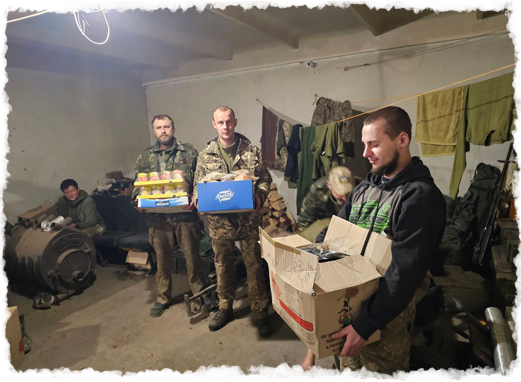
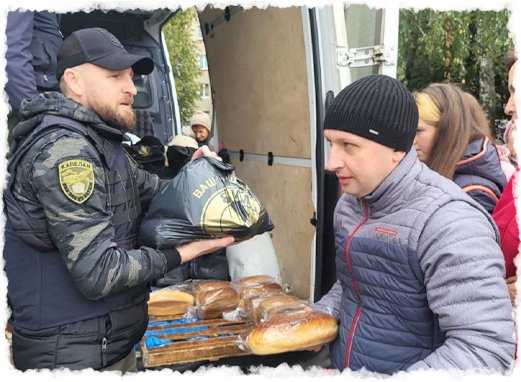
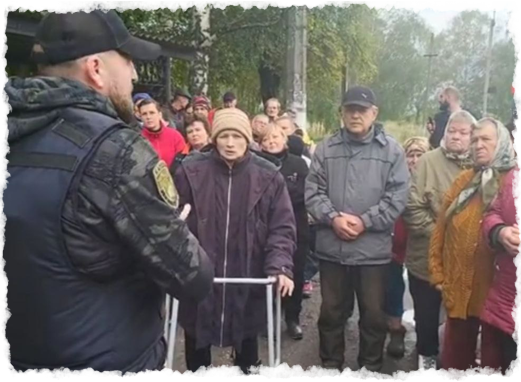
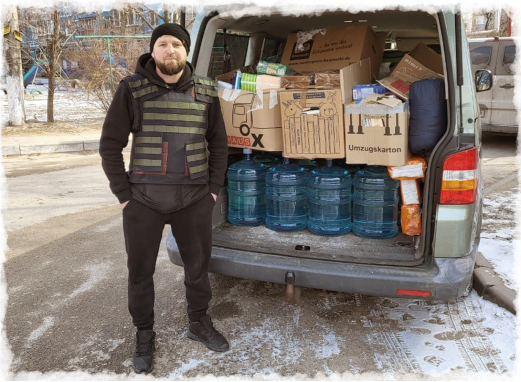
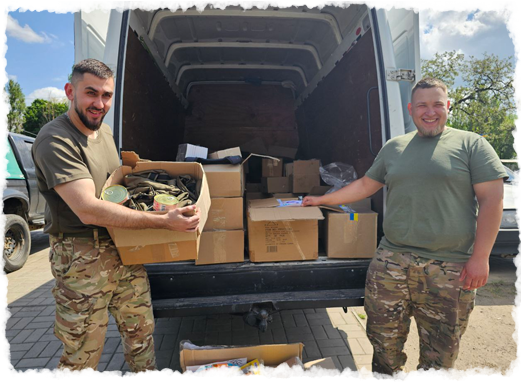
- Coordinating humanitarian assistance for service members and their families through religious organizations.
Achievement of Goals and Their Results
Improved morale among service members
How it was achieved: Regular prayers, counseling sessions, and meetings with the chaplain became part of the unit's daily life. Service members had the opportunity to discuss their inner struggles in a safe environment.
Result: Soldiers became more confident, calm, and prepared to carry out their missions. Anxiety levels decreased, while trust in the commander and the chaplain grew.


Building spiritual resilience
How it was achieved: Through special training sessions and conversations, chaplains helped service members recognize the significance of moral principles in difficult situations, such as combat engagements or the need to make critical decisions.
Result: Service members demonstrate a more measured approach to resolving ethical dilemmas and avoid rash actions while remaining true to their values.
Reduced stress and psychological strain
How it was achieved: Chaplains organized group sessions to discuss difficult situations, encouraged open dialogue among service members, and arranged for the participation of psychologists.
Result: The number of conflicts within the unit decreased. Soldiers became better able to cope with traumatic memories and regained confidence in themselves.
Support for service members' families
How it was achieved: Chaplains organized meetings with families, provided help in difficult situations, and offered spiritual support through online conferences.
Result: Service members' families feel more involved and supported. The number of cases of families breaking up due to prolonged absence of service members has decreased.
Establishing interdenominational dialogue
How it was achieved: Meetings were organized between representatives of different religious and cultural groups, who discussed the role of shared values in helping the community.
Result: A harmonious interaction developed among the different groups, which fostered the unity of the community and reduced conflicts on religious grounds.
Thus, military chaplaincy not only supports individual soldiers but also strengthens the collective, fosters spiritual enrichment, and helps the army preserve its strength and unity.
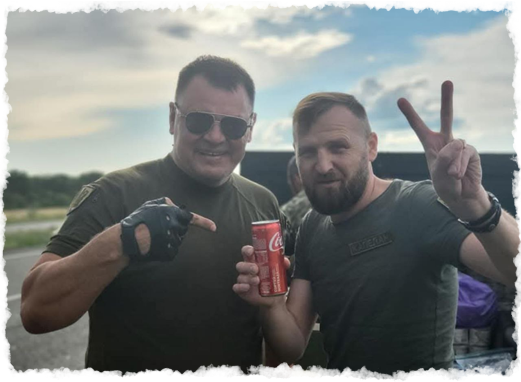
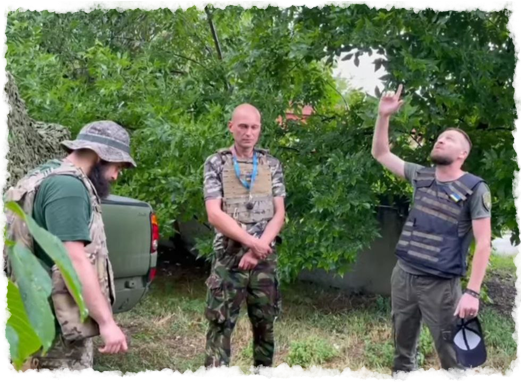
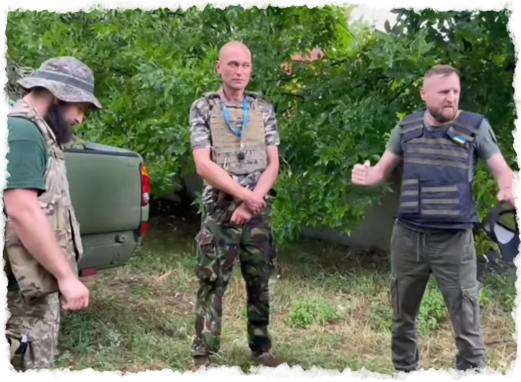
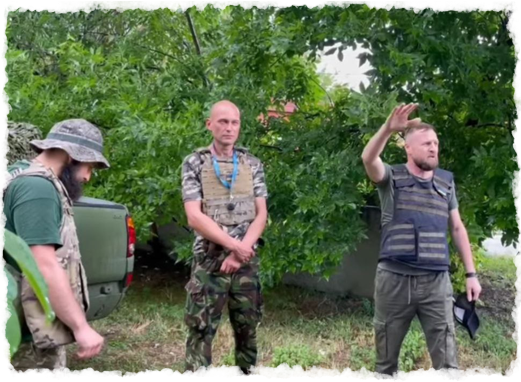
Світлини служіння