

Police Chaplaincy
Chaplains in the police support law enforcement officers, their families, and victims of crime. They help them cope with occupational stress and trauma, and they sustain the morale of personnel.
Police chaplaincy is aimed at providing spiritual support to law enforcement officers, their families, and the communities in which they serve. It is an important component of police work that helps reduce stress, improve morale, and support the effective performance of official duties.
Goals of Police Chaplaincy
Spiritual support for police officers. Providing help in overcoming stress, fear, feelings of guilt, or a loss of meaning in life that may arise from the circumstances of their work.
Sustaining morale. Helping to create an atmosphere of trust, moral resilience, and professional ethics among police officers.
Help for police officers' families. Providing spiritual and moral support to family members who face difficulties because a loved one serves in the police.
Psychological rehabilitation. Helping to overcome traumatic experiences, particularly after emergencies, the loss of colleagues, or crisis situations.
Improved relations with the community. Helping to build trusting relationships between the police and the public through humanity and moral guidance.
Reduced professional burnout. Providing support that makes it possible to maintain emotional resilience under the difficult conditions of service.

Tasks of Police Chaplaincy

- Conducting spiritual conversations, prayers, and religious rites for police officers and their families.
- Providing individual spiritual assistance to police officers going through crisis situations.
- Organizing training sessions for police officers on ethics, moral leadership, and stress management.
- Taking part in community work to foster mutual understanding between the police and local residents.
- Helping police officers recover after traumatic events, such as participation in dangerous operations or the loss of a colleague.
- Holding meetings with police officers' families to discuss the difficulties connected with their work.
- Fostering the development of moral resilience among personnel through individual counseling and group sessions.
- Providing support during crisis situations, such as terrorist attacks, mass unrest, or emergencies.
Achievement of Goals and Their Results
Reduced stress levels among police officers
How it was achieved: Chaplains held regular conversations with police officers, taught them stress management techniques, and supported them in difficult moments through prayer and spiritual practices.
Result: Police officers became better able to cope with stressful situations, and levels of anxiety and emotional burnout declined. Their effectiveness at work increased.

Improved relations between the police and the community
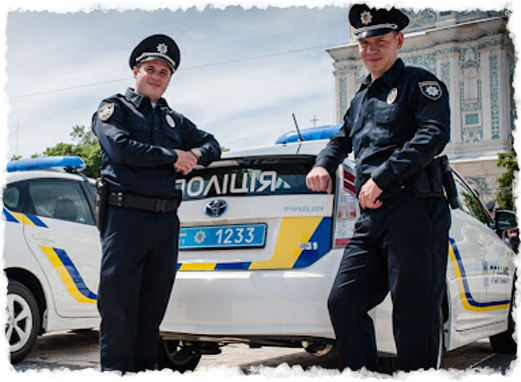
How it was achieved: Chaplains took part in community events, spoke with residents, and helped the police build trusting relationships through a humane approach.
Result: The community began to see the police as a reliable partner, which reduced conflicts and increased trust in law enforcement.
Support for police officers' families
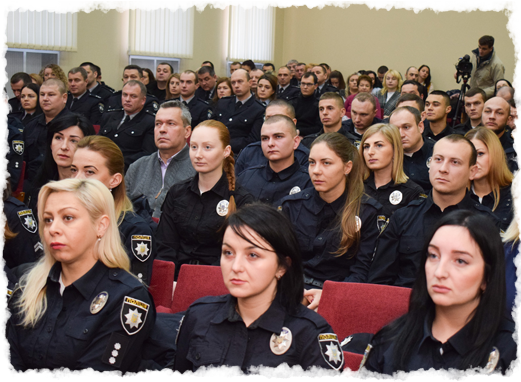
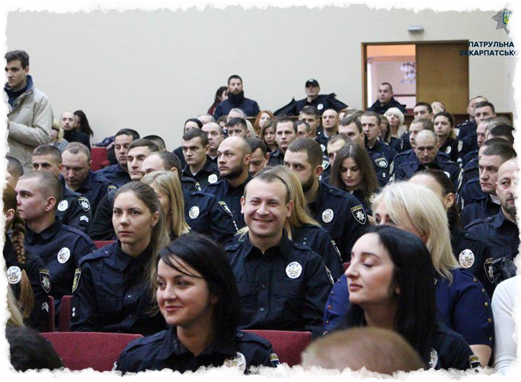
How it was achieved: Group meetings were organized for families, during which they could share what they were going through and receive spiritual help.
Result: Families became more resilient to the difficulties connected with police work, and officers' morale improved significantly thanks to the support of their loved ones.
Rehabilitation after traumatic events
How it was achieved: Chaplains held psychological support sessions for police officers who had been through difficult situations, such as the loss of colleagues or participation in dangerous operations.
Result: Police officers began to recover more quickly after traumatic events, which allowed them to return to their duties with renewed strength.
Strengthened morale within units
How it was achieved: Thanks to training sessions and spiritual guidance, officers began to support one another more and to apply moral principles in their work.
Result: Trust and cohesion within units increased, the number of internal conflicts decreased, and the overall effectiveness of the police improved.

Police chaplaincy is an integral part of supporting law enforcement officers, contributing not only to their well-being but also to greater community trust in the police. Its work helps strengthen moral and spiritual foundations both among police officers and in society.